Guangzhou Xiantai – Professional Nail& Tattoo Sticker, Press-On Nail Manufacturer | OEM/ODM Services | 22 Years Experience
Leave Your Message
-
Phone
-
Contact
-
WhatsApp
-
We Chat

Guangzhou Xiantai – Professional Nail& Tattoo Sticker, Press-On Nail Manufacturer | OEM/ODM Services | 22 Years Experience


These days, you can really see a growing buzz around temporary body art—whether it's for beauty, festivals, retail events, or promotional merch. According to Grand View Research, the worldwide tattoo market hit around USD 2.03 billion in 2023, and the analysts are saying it’ll keep growing through to 2030. But here’s a thing: those numbers include permanent tattoos too, not just temporary ones. So, when you're looking at Tattoo Sticker suppliers, you’ve gotta keep that in mind.
This handy guide runs through some of the top manufacturers for buyers around the globe. We’re focusing on things like print quality, how well the adhesive sticks, the skin-friendly materials used, packaging, and whether their production is consistent. An honest supplier should be transparent about ingredients, provide batch records, safety test results, and clear instructions on how to apply the stickers. It’s also smart to check if they use cosmetic-grade colors and skin-safe adhesives—don’t overlook that. Guidance from the FDA on color additives and EU cosmetics rules can be helpful references, but keep in mind that regulations vary depending on your region. Bottom line: compliance isn’t just a detail—it’s a must.
Legendary tattoo artist and historian Don Ed Hardy once described tattooing as “a form of self-expression and cultural communication,” and honestly, that idea still rings true today, especially for sticker designs. A good Sticker Tattoo Sticker should look expressive and cool, but it also needs to peel off cleanly and perform reliably. Brands like Inkbox, Tattly, and Momentary Ink have really upped the bar in terms of design and user experience. That said, no supplier is perfect—things like catalog size, minimum order amounts, delivery times, and regional paperwork can really vary. Sometimes a cheap quote might hide issues like poor adhesion or uneven colors. It’s always a good idea to test samples before placing a big order. And remember: the cheapest option isn’t always the best. The real winner is the one that offers quality you can trust, transparent communication, and reliable global shipping.
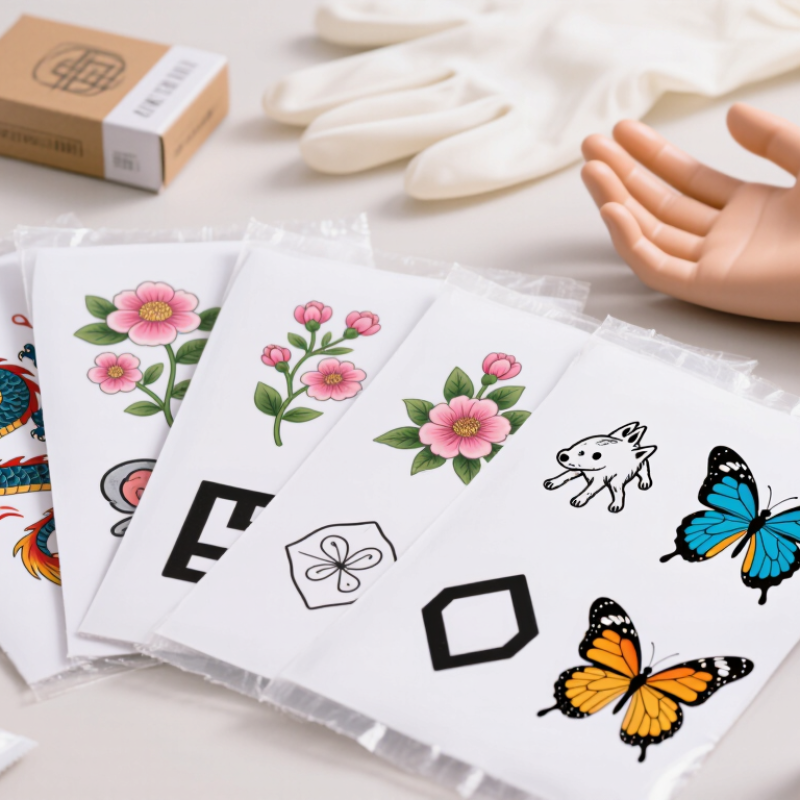
Tattoo stickers are temporary skin decorations, usually printed on transfer paper with skin-safe colorants and a water-soluble backing. A damp cloth releases the image onto clean, dry skin; after about 30 seconds, the paper can be peeled away. The result may resemble a small tattoo, but it fades with washing and normal skin shedding. Tattoo Sticker Tattoo is sometimes used as a search phrase for these products, though “temporary tattoo” is clearer in product descriptions.
They are used for personal styling, costume details, event favors, and product sampling. A tiny star near the wrist or a floral motif on the shoulder can help buyers preview placement before choosing a permanent design. Allied Market Research estimated the temporary tattoo market at $833.9 million in 2021, projecting $1.49 billion by 2031. This is a market forecast, not proof that every product meets the same quality standards. Check ingredient disclosures and application instructions, and test a small area first. Skin reactions are possible.
Transfer quality varies. Oily skin, rough edges, or a rushed application can leave gaps, and water exposure may shorten wear. Remove the sticker gently with oil or warm, soapy water; do not scrub irritated skin. Small detail matters. A supplier’s sample can reveal whether fine lines stay crisp and whether colors look different on skin than on paper. I still find wear-time claims hard to compare unless testing conditions are stated.
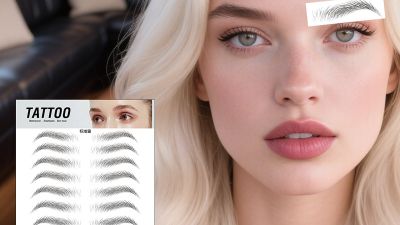
Wholesale buyers are increasingly seeking practical, low-maintenance beauty products that support quick application and natural results. McKinsey’s *The Beauty Market in 2023* projects the global beauty industry could reach approximately $590 billion by 2028, with around 6% annual growth, creating opportunities for salons, retailers, and professional distributors. Factory-direct eyebrow temporary tattoo stickers from China offer an accessible addition to this expanding category. Finely printed hair-stroke patterns create a softly defined appearance, while brown and black shades can complement different hair colors, skin tones, and makeup styles.
Designed for convenient retail and professional use, these waterproof and sweat-resistant eyebrow tattoos can provide lasting wear for approximately 3 to 7 days, depending on skin type, application, and daily activity. A typical application requires clean, dry skin, accurate placement, gentle water activation, and careful removal of the transfer paper. For wholesale purchasing, buyers can request shade assortments, customized packaging, sample testing, and production details directly from the factory. Quality checks should cover print clarity, adhesive performance, packaging protection, and ingredient documentation. Products should be tested on a small area before wider use, especially for customers with sensitive skin, while flexible order quantities can support beauty salons, online retailers, and regional distributors.
OEM factories follow supplied artwork and specifications. They suit large orders and repeated designs. ODM studios modify ready-made patterns. Trading distributors offer mixed designs and lower minimum quantities. Print-on-demand suppliers support seasonal testing and localized languages.
Request skin-contact material details, ink documentation, batch records, and test samples. Ask for written quality procedures. Also request adhesion results after sweat exposure. A beautiful sheet may fail outdoors.
Test samples on clean, dry skin. Check transfer time, odor, edge sharpness, color accuracy, and removal comfort. Compare samples from two production batches. Office lighting can hide fading.
Suppliers may customize artwork, sheet size, adhesive type, wear time, colors, and packaging. Metallic effects and fine lines may need specialty printing. Request a physical proof. Thin outlines can disappear after printing.
Options include sealed individual sleeves, multi-design sheets, cartons, inserts, labels, barcodes, and display-ready hang tabs. Share your retail format early. Packaging size affects costs. Check moisture and scuff protection.
Compare the full landed cost, not only the unit price. Include artwork setup, samples, packaging, freight, and payment terms. Request quotes for 500, 5,000, and 20,000 pieces. Low prices can create unwanted inventory.
A low unit price may require thousands of pieces. For example, 0.08 dollars per sticker with a 10,000-piece minimum costs 800 dollars. A higher unit price with 500 pieces may reduce testing risk. Cheaper is not always safer.
Separate artwork approval, sampling, manufacturing, dispatch, and customs dates. Request milestone dates in writing. Ask whether export documents and customs clearance are included. One missing approval can add several days. I sometimes underestimate this delay.
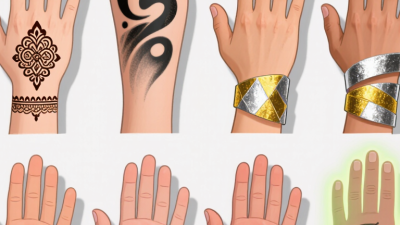
Tattoo Sticker suppliers serve a wide range of global buyers, including retailers, event organizers, promotional planners, and online sellers. These temporary designs are applied to the skin with water and removed easily, making them suitable for entertainment, fashion, celebrations, and marketing activities. Suppliers may offer ready-made collections, custom printing services, or specialized options such as metallic, glitter, waterproof, and themed designs. Buyers should assess print clarity, skin-safe materials, durability, ingredient information, testing documents, and packaging quality before placing an order.
When comparing suppliers, consider customization flexibility, color accuracy, individual packaging, display-ready boxes, minimum order quantities, unit pricing, sample policies, and production schedules. International buyers should also review shipping methods, estimated delivery times, export documentation, protective packing, and communication efficiency. A reliable Tattoo Sticker supplier should provide clear quotations, consistent quality control, transparent compliance information, and responsive support throughout sampling, production, and delivery. Careful comparison helps buyers balance cost, quality, safety, and dependable fulfillment for different markets.