Guangzhou Xiantai – Professional Nail& Tattoo Sticker, Press-On Nail Manufacturer | OEM/ODM Services | 22 Years Experience

Leave Your Message
0%

So, you're on the hunt for a Semi Tattoo supplier in 2026? It takes more than just comparing prices, honestly. The right partner should give you clear product specs, consistent batches, traceable materials, and support that's actually practical. Don't be shy about asking for current documentation, checking the sample packaging yourself, and lining up a few units to compare the finish. Small details can tell you a lot. Honestly, a smudged label or print that's a bit uneven? It just makes you wonder if their quality controls are really all that strong.

Here's a sourcing tip I find useful: if a supplier is dependable, quality is already obvious before the order even arrives. That line though? It's our own editorial take, not a real quote from any industry expert. We didn't have a source to confirm someone's name or exact words, so attributing it to a person would just risk confusing readers. So before we publish, let's get a verified Semi Tattoo professional's name and an actual sourced quote to back it up. Takes a bit more time, but honestly, it's worth it.

Alright, so if you're buying from a supplier, this guide is meant to help you figure out the important stuff—how experienced they are, their production standards, whether they can customize, how communication feels, and what after-sales support is like. But here's the thing: don't just get swept away by those polished product photos. Ask to see actual stock, get clear images of the real stuff, find out what happens if something's defective, and make sure you get lead times in writing. Sure, a low quote catches your eye, but it can leave a lot of important questions hanging. And honestly, when you're up against tight deadlines, it's super easy to overlook that.

Look, there’s no one-size-fits-all checklist when you’re buying. What you need really depends on the product, the market, and how big your order is. So use the criteria below as a starting point to compare suppliers fairly—just don’t take their word for it. Check samples, dig into records, and see what actually checks out. Practical evidence wins over smooth talk every time.
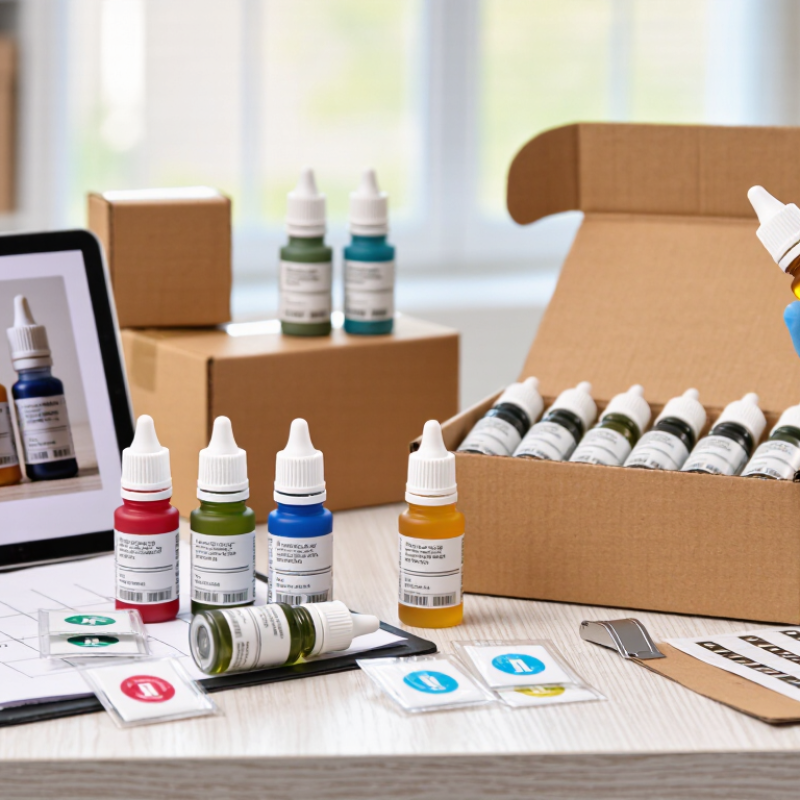
How to Choose a Semi Tattoo Supplier in 2026?

Define Your Semi Tattoo Product and Market Requirements

Define “semi tattoo” before requesting quotations. Are you sourcing water-transfer decals, dry-apply films, or designs intended to last longer? Each format needs different application instructions, wear-time claims, and packaging. Specify the target customer, sales channel, design style, skin-contact area, and expected price. Small details matter: a customer buying festival designs may value quick removal, while a salon buyer may prioritize consistent color and predictable wear. Be precise.

Market data can guide, but not replace your own customer research. Grand View Research estimated the global temporary tattoo market at about US$833 million in 2022 and projected 6.6% annual growth through 2030. The report covers a broad category, so its figures do not prove demand for every semi-tattoo format. Check local search trends, competitor reviews, and sample feedback before setting order volumes. Search phrases such as “no water semi permanent tattoo” may indicate interest in dry application, but verify what shoppers mean before building a product around that wording.

Turn requirements into supplier questions. Ask for ingredient or material documentation, skin-contact test records, batch consistency checks, and clear wear-time testing conditions. Request samples in the exact finish and packaging you plan to sell. Test them on clean, dry skin and record application time, edge lifting, color change, and removal. A sample can look perfect under studio lighting. Real use is less tidy.

Check Supplier Credentials, Safety Standards, and Regulatory Compliance

When choosing a Semi Permanent Tattoo supplier in 2026, verify the business, production site, and product documents—not just a polished sales sheet. The European Commission’s Joint Research Centre reported that roughly 12% of Europeans had tattoos, highlighting the scale of products requiring careful oversight. That figure is not a safety measure. It does, however, make supplier traceability worth checking.

Ask for ingredient lists, Safety Data Sheets, batch-specific certificates of analysis, and test results for microbial quality and relevant contaminants. Confirm that batch numbers connect product containers to manufacturing and testing records. Check whether the supplier follows a documented quality system, such as ISO 22716 where applicable, and verify that its claims match the rules in your market. Requirements differ by location and product classification. Paperwork matters.

The European Commission’s 2023 Safety Gate report recorded 3,412 alerts across non-food product categories; it does not single out tattoo pigments, but it shows why product checks matter. Contact the testing laboratory independently when possible, and compare documents with the actual label. A certificate alone is not proof. I would also ask how the supplier handles complaints and product withdrawals. Still, verify. A missing record may have a reasonable explanation, but it deserves a clear answer before purchase.

Assess Product Quality, Materials, and Manufacturing Capabilities

How to Choose a Semi Tattoo Supplier in 2026?
Assess Product Quality, Materials, and Manufacturing Capabilities

A growing market makes supplier checks more important, not less. Grand View Research’s 2024 temporary tattoos market report estimated the global market at USD 1.4 billion in 2023, with projected annual growth of 6.2% through 2030. Treat that forecast as context, not proof of quality. Ask suppliers for material specifications, batch records, and test results for the exact Semi Permanent Tattoo Sticker you plan to order. Small details matter: ink transfer, adhesive feel, edge lift, and how clearly the design prints.

Check the full material stack, including the printed layer, skin-contact adhesive, backing paper, and release liner. Request ingredient disclosures and independent skin-compatibility test documentation. Confirm that test samples match production materials and that records identify the tested batch. A smooth sample can hide inconsistent coating. It happens. Review manufacturing controls too: coating thickness, color checks, drying conditions, packaging hygiene, and lot traceability. Ask how defects are logged and what triggers a production hold.

Capacity claims need evidence. Request recent inspection records, sample acceptance criteria, and a clear explanation of how the supplier handles repeat orders. Compare several production samples under the same lighting and application conditions. Check color variation, transfer completeness, and removal residue. Paperwork can reassure, but it may not tell the whole story. I would also ask for a small pilot run before committing to larger volumes; it adds time, and sometimes the result still needs reworking.

How to Choose a Semi Tattoo Supplier in 2026? — Assess Product Quality, Materials, and Manufacturing Capabilities

Evaluation Area What to Check Evidence to Request Good Sign Potential Concern
Product definition and intended use Confirm whether the product is a temporary transfer tattoo, a semi-permanent cosmetic product, or another skin-applied format. Clarify application method, intended wear time, removal method, and target markets. Product specification, instructions for use, intended-use statement, and market-specific compliance documentation. The supplier clearly defines the product and supports claims with product-specific information. Vague descriptions, unsupported wear-time claims, or unclear instructions for application and removal.
Skin-contact materials Identify the composition of inks, pigments, adhesives, transfer films, coatings, and other materials that may contact skin. Current ingredient or material declarations, safety data sheets where applicable, and supplier declarations for relevant components. Materials are traceable to documented specifications, and the supplier explains which components contact skin. Undisclosed formulations, incomplete material information, or reliance on the phrase “skin-safe” without supporting documents.
Safety and regulatory readiness Check that the product is assessed and labeled for the markets where it will be sold. Requirements can differ by product type and jurisdiction. Relevant safety assessments, test reports, labeling files, and a written explanation of applicable market requirements. Documentation matches the exact product, formulation, and intended market. Generic certificates or test reports that do not identify the product being evaluated. A certificate alone may not establish legal compliance.
Color and print consistency Compare color, opacity, line definition, transfer completeness, and appearance across samples and production batches. Approved reference samples, color or print specifications, inspection records, and batch comparison samples. The supplier uses documented acceptance criteria and can explain how it controls variation. Only hand-selected samples are offered, with no repeatable inspection process or batch records.
Performance and durability Assess transfer quality, resistance to normal wear, and removal performance under the product’s intended conditions. Product-specific test methods and results, sample evaluation instructions, and substantiation for any wear-time claims. Test conditions are stated clearly and reflect the intended use; claims are supported by reproducible results. Unqualified claims such as “lasts for weeks” without defined test conditions or supporting data.
Quality management and traceability Review incoming-material checks, in-process controls, finished-product release, complaint handling, and batch traceability. Quality procedures, sample inspection or release records, lot-coding examples, and a description of corrective-action handling. The supplier can trace finished goods to production and material lots and explain how defects are investigated. No consistent lot identification, incomplete records, or no defined process for handling product complaints.
Manufacturing capability Confirm the supplier can make the required format, artwork, size, quantity, packaging, and repeat orders at the required quality level. Production workflow, equipment or process overview, capacity information, sample lead times, and a pilot-production plan. Capabilities and capacity are explained transparently, and a pilot run can be checked against approved specifications. Capacity promises are not supported by process details, or production changes are made without approval.
Packaging and shelf life Check whether packaging protects the product from relevant environmental exposure and whether shelf-life claims are supported. Packaging specification, storage instructions, expiry or batch-date format, and shelf-life substantiation where applicable. Packaging, storage guidance, and dating are consistent with documented product testing. Unsubstantiated expiry dates, unclear storage requirements, or packaging that may compromise product condition.
Supplier verification Verify the manufacturing site, subcontracting arrangements, document consistency, and willingness to answer technical questions. Facility details, subcontractor disclosure, relevant audit information, and direct confirmation of document scope and validity. The supplier identifies where each production step takes place and promptly provides verifiable, product-relevant information. Undisclosed subcontracting, inconsistent records, or refusal to clarify who manufactures the product.

Note: Use this table as a supplier-screening checklist, not as a substitute for jurisdiction-specific regulatory or safety review. The appropriate tests and documents depend on the product’s formulation, construction, intended use, and sales markets.

Compare Customization Options, Minimum Orders, and Production Timelines

Choosing a semi tattoo supplier in 2026 means checking how well its options match your designs and sales plans. Ask whether it can adjust artwork, colors, size, finish, and packaging. Request a physical sample when possible; tiny line details can look different on skin than on a screen. A supplier should explain which changes affect cost or require new setup. Vague answers are a warning sign.

Minimum order quantities vary by product and customization level. Compare the cost per unit at several order sizes, not just the lowest advertised price. A small first run can limit leftover stock, but it may cost more per piece. Ask whether different designs can share one order quantity. Get the answer in writing.

Production timelines should include proof approval, manufacturing, quality checks, and shipping. Ask for a realistic range and confirm what happens if artwork changes or a sample needs revision. Build in extra time; estimates can slip.

Tips: Send print-ready files and a clear specification sheet. Confirm the sample matches the final materials and packaging. Track approval dates, order quantities, and promised dispatch dates in one shared document. One detail is easy to miss: suppliers may count production days only after final approval. Check that point before planning a launch.

Request Samples and Verify Quality Control Procedures

Before choosing a semi tattoo supplier, request samples made with the same materials and printing process used for regular orders. Inspect several designs, not just the supplier’s best-looking example. Fine lines should stay crisp, colors should appear consistent, and the backing should release without tearing. Check the package, too. A smudged label or unclear batch code may signal weak handling.

Ask for the supplier’s quality control procedures in writing. They should explain how incoming materials are checked, how print accuracy is reviewed, and how production batches are recorded. Request recent inspection records or relevant test reports, and confirm that the documents match the product you plan to buy. For skin-contact products, ask what testing supports the supplier’s safety claims; do not treat a sample test as proof of suitability for everyone.

Try samples under realistic conditions, following the product instructions. Note application time, transfer clarity, comfort, and how the design wears and comes off. Keep photos and record the batch number. A sample can look excellent while a later batch varies. Even careful checks can miss things, so agree on acceptable quality limits before placing a large order. I would not skip that step, even when the first samples seem perfect.

Review Pricing, Shipping Terms, and After-Sales Support

How to Choose a Semi Tattoo Supplier in 2026?

Compare the full cost, not just the unit price. Ask for a written quote that lists sample fees, packaging, payment charges, and shipping. A low price can look attractive until freight is added. Check whether the quote is based on a small test order or a larger quantity. For Semi Cured Nails, request samples in the shapes and sizes you plan to stock. Inspect the seal, flexibility, and printed instructions under ordinary indoor lighting.

Shipping terms deserve close attention. Confirm the dispatch date, estimated transit time, tracking availability, and who handles extra freight charges. Ask how the supplier packs products against heat, moisture, and crushed cartons. Request the shipping method and delivery estimate in writing. Estimates can change, so leave room in your schedule rather than promising customers an exact arrival day. It is easy to overlook this detail when a launch date is close.

Tips: Ask what after-sales support includes before paying. A useful supplier should explain how to report missing or damaged items, what evidence is needed, and when you can expect a reply. Save photos, order numbers, and messages together. Ask whether replacements, credits, or refunds may apply, and get the terms in writing. Quick replies matter, but clear, consistent answers matter more. I would still compare at least two written offers; price tables rarely show the whole picture.

How to Choose a Semi Tattoo Supplier in 2026

A practical framework for comparing pricing, shipping terms, after-sales support, and other supplier factors.

Suggested evaluation weights are illustrative, not market-survey results or supplier rankings. Adjust them to fit your order size, destination, and business needs. Compare full landed costs, confirm delivery terms in writing, and check how product issues and replacements are handled.

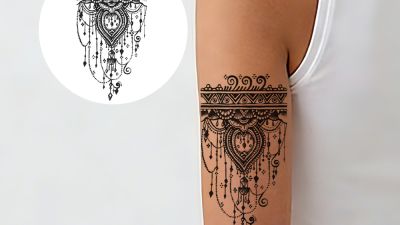
Wholesale Bohemian Lace Semi-Permanent Tattoo Stickers: Factory-Quality Body Art from China Suppliers

Wholesale Bohemian lace semi-permanent tattoo stickers bring the detail of ornamental body art to a versatile, easy-to-wear format. Inspired by mandalas and vintage lace, each design combines fine geometric lines with flowing floral drops for an elegant look that sits naturally against the skin. These decorative accents offer a way to explore a new style without committing to permanent body art.

Sourced from trusted suppliers in China and produced in a modern factory, the stickers are suited to wholesale buyers seeking distinctive designs and consistent manufacturing quality. Their semi-permanent finish can last around 7–15 days, depending on skin type and care, making them a practical choice for festivals, travel, special occasions, or everyday styling. Lightweight and simple to apply, they make it easy to add a refined Bohemian touch to a range of looks.

FAQS

What should I define before requesting supplier quotes?

Specify the product format, target customer, sales channel, design style, skin-contact area, and expected price. Small details matter.

How can I check whether shoppers want this product?

Review local search trends, competitor feedback, and customer samples. Broad market estimates cannot confirm demand for a specific format.

What information should I request about materials and testing?

Ask for material documentation, skin-contact test records, batch checks, and wear-time testing conditions. Compare the details carefully.

How should I test a product sample?

Use it on clean, dry skin. Record application time, edge lifting, color changes, and removal. Studio lighting can hide flaws.

What customization options should I confirm?

Ask about artwork, colors, sizing, finish, and packaging. Find out which changes affect cost or require new setup.

How can I compare minimum order quantities?

Compare unit costs at several order sizes. A smaller run can reduce leftover stock, but may cost more per piece.

What should a production timeline include?

Confirm time for proof approval, manufacturing, quality checks, and shipping. Ask what happens if artwork changes or samples need revision.

How can I avoid launch delays?

Send print-ready files and a clear specification sheet. Track approvals and dispatch dates in one shared document. Add extra time.

When do production days usually begin?

Ask whether the timeline starts after final approval. That detail is easy to miss, and estimates can slip.

Conclusion

Choosing a Semi Tattoo supplier in 2026 starts with defining your product, target market, expected order volume, and required features. Use these needs to evaluate potential suppliers’ experience, safety practices, applicable regulatory compliance, material quality, and manufacturing capabilities. A reliable supplier should be able to clearly explain how products are made and how quality is monitored.

Before committing, compare customization options, minimum order quantities, production timelines, pricing, and shipping terms. Request samples to assess product quality firsthand, and ask about inspection procedures, defect handling, and after-sales support. Comparing suppliers against the same criteria helps you make an informed decision, reduce sourcing risks, and choose a partner suited to your business goals.


Ethan

Ethan

Ethan is a dedicated marketing professional with a deep passion for the beauty and fashion industries. With extensive knowledge of the diverse range of products offered by his company, including gel nail strips, nail polish stickers, 3D nail stickers, and more, he excels in showcasing the unique......
Previous Why Choose Toe Nail Polish Stickers for Your Business?